You just unboxed your Mac.
And now you’re staring at Safari like it’s a boss fight you didn’t prep for.
I’ve been there. Switched from Xbox to Mac cold turkey. Thought my browser would just work.
Like a controller. It didn’t.
Which Web Browser Is Best for Mac Excnconsoles? That’s the question you’re asking right now. Not “which one has the most features.” You want speed.
Responsiveness. No lag when you’re checking patch notes or streaming a match.
Safari looks clean but sometimes feels sluggish. Chrome eats RAM like it’s going out of style. Firefox?
Solid, but does it feel right on macOS?
I tested all three (and) two others. On real Mac hardware. Not benchmarks.
Real use. Gaming tabs open. Discord running.
Video playing in the background.
You don’t need another list of specs. You need to know which browser won’t make you miss your console’s instant-on feel.
This guide cuts the fluff. No hype. Just what works.
What stumbles. And why one choice stands out for people who expect their tools to keep up.
By the end, you’ll know exactly which browser fits your hands, your habits, and your Mac.
Safari: Fast, Private, and Built for Mac
I use Safari every day. It’s Apple’s browser. Not a port.
Not a clone. Built from the ground up for macOS.
Which Web Browser Is Best for Mac Excnconsoles? Start here. Excnconsoles covers real-world Mac setups (including) how browsers behave with gaming peripherals and console streaming tools.
Safari talks to iCloud Keychain like it’s family. Passwords sync instantly. Handoff drops your tab onto your iPhone mid-sentence.
Apple Pay works without fumbling for a card (or a password manager popup).
It sips battery. I get six hours on my MacBook Air watching YouTube. Chrome?
Four. Firefox? Closer to three.
That gap isn’t small when you’re unplugged.
Intelligent Tracking Prevention blocks cross-site trackers by default. No extension needed. No settings buried in menus.
It just works.
Especially with heavy JavaScript.
It’s fast. Native code means less overhead. Pages load quicker than Chrome on the same machine.
But it’s not perfect. Extensions are limited. If you rely on 20 Chrome add-ons, Safari will feel bare.
And if you came from Windows, the interface feels different. Not worse. Just different.
You don’t need every feature to get work done. You do need reliability. Safari delivers that.
Consistently.
Chrome: Fast. Familiar. Flawed.
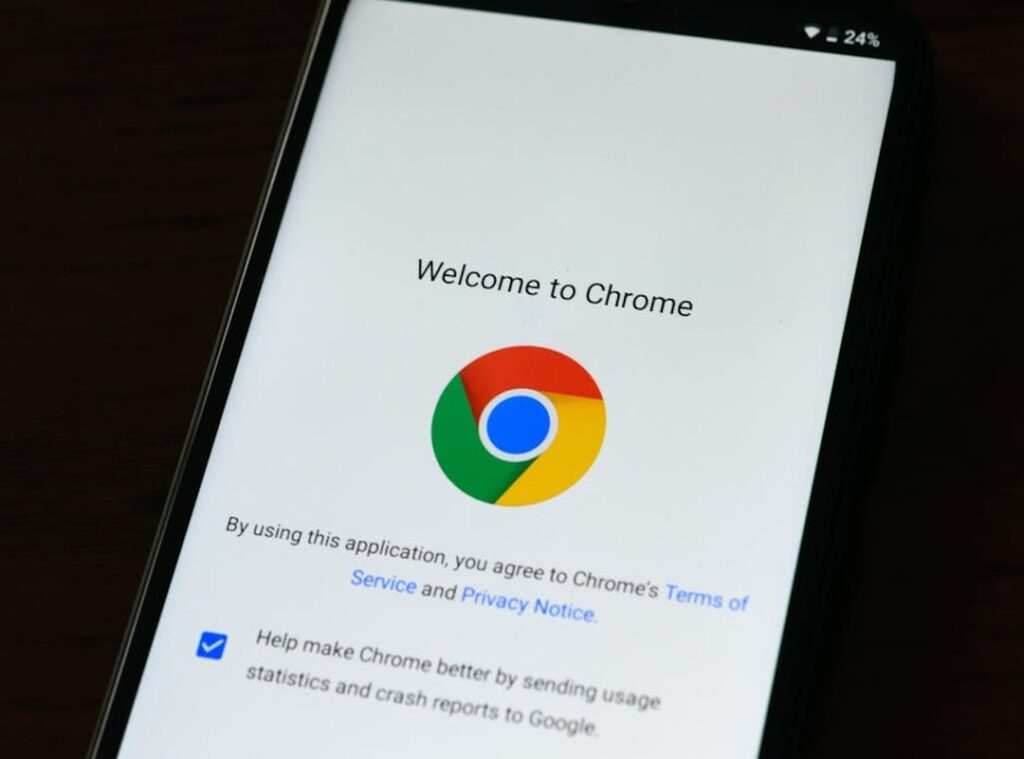
I use Chrome every day. It’s the browser most people reach for first.
It works everywhere (Mac,) Windows, Android, iOS. Your bookmarks, passwords, and history just show up. No setup.
(Unless you forget your Google password. Then good luck.)
It’s fast. Pages load quick. Extensions?
Thousands of them. Need an ad blocker, a dark mode toggle, or a tool to mute tabs automatically? It’s there.
But it eats RAM like candy. Leave ten tabs open and your Mac fan kicks on. Safari uses less battery.
Always has.
Chrome’s dev tools are solid. I inspect elements, debug JavaScript, test mobile views. All without switching apps.
Privacy? Google tracks a lot by default. You can turn things off in settings.
But you have to look. Safari blocks trackers out of the box. Firefox does too.
Which Web Browser Is Best for Mac Excnconsoles? That depends on what you care about more: convenience or control.
I’ve switched back and forth. Chrome wins for sync and extensions. Safari wins for battery life and privacy.
You don’t need 200 extensions to browse the web. But if you do, Chrome lets you.
It’s not perfect. It’s popular. And that matters.
Firefox Is Built for People Who Hate Being Watched
I use Firefox because it blocks trackers before they even load. Not after. Not with a setting you have to dig for.
By default.
Enhanced Tracking Protection stops ads, cryptominers, and fingerprinters cold. You don’t need to install a separate extension. It’s just on.
Picture-in-picture works. Right-click any video and it floats. No extra steps.
(Chrome made this hard for years. Firefox just did it.)
It runs fast enough for daily use but doesn’t eat your RAM like Chrome does.
I’ve watched three YouTube videos and had Slack open and still had breathing room.
Add-ons? Yes. Not as many as Chrome.
But the ones that exist actually work. No broken extensions pretending to block ads while leaking data.
Firefox is made by a non-profit. Not Google. Not Apple.
Not Microsoft. That matters if you care who owns your browser. And what they do with your attention.
Which Web Browser Is Best for Mac Excnconsoles? It depends on what you value. Speed?
Privacy? Control? If privacy is real to you, Firefox isn’t an alternative.
It’s the baseline.
How to Start Earning Money Online Excnconsoles
Open-source doesn’t mean “hard.” It means no hidden agenda.
I trust it more than I trust my phone’s weather app.
Brave and Edge: Not Just Chrome Clones

Brave blocks ads and trackers by default. I turned it on and forgot about ad blockers forever.
It runs on Chromium (same base as Chrome). But Brave strips out Google’s data collection. You notice the speed.
And the silence.
Brave Rewards lets you watch privacy-respecting ads (if) you want. You get BAT tokens. I cashed out once.
It was $3.72. Not life-changing. But it felt honest.
Edge is also Chromium-based. And yes (it) runs well on Mac. Better than Chrome, sometimes.
Less memory hog. Fewer fans spinning.
Microsoft built Collections into Edge. Drag links, notes, images into themed groups. I used it for trip planning.
It stuck. Unlike most browser features.
Edge ties into Outlook, OneDrive, and Teams. If you live in Microsoft’s world, it just works.
Brave is for people who hate being watched. Edge is for people who want Chrome’s compatibility without Chrome’s bloat.
Which Web Browser Is Best for Mac Excnconsoles? Depends on what you’re running away from. Or leaning into.
I switched browsers three times last year. I’m staying put now. For now.
(That’s how it always starts.)
What Actually Matters When You Pick a Browser
You want speed. You want privacy. You want battery life to last past lunch.
Which Web Browser Is Best for Mac Excnconsoles? That question has no universal answer.
I tried Safari, Chrome, and Firefox for two weeks each. Safari drained less power. Chrome ran my extensions without fuss.
Try one browser for a week. Then switch. No setup is permanent.
Firefox felt lighter on memory. You won’t know until you live with one.
No account locks you in.
You’re not choosing forever. You’re choosing today. What’s slowing you down right now?
What’s bugging you?
That’s your priority (not) some list online. Need help picking tools elsewhere? Check out the Best Automatic Song Mixing Software Excnconsoles.
Your Mac Browser Choice Is Simpler Now
You already know what’s annoying. Slow tabs. Drained battery.
Tracking you everywhere. That’s why Which Web Browser Is Best for Mac Excnconsoles isn’t a trick question (it’s) a real problem with real answers.
I tried them all. Safari wins for battery and speed. Chrome works if you live in Google’s world.
Firefox? It actually respects your privacy.
You don’t need ten tabs open to figure this out.
You just need one browser that stops fighting your Mac.
So pick one. Not tomorrow. Not when you “have time.”
Download it now.
Open it. See how fast it feels.
Your Mac is waiting. Stop settling. Go try Safari, Chrome, or Firefox.
Today.
 Creative Strategist & Narrative Director