

I’ve been gaming long enough to remember when “next-gen” meant better textures and higher frame rates.
That’s not what’s happening anymore.
You’re probably here because you keep seeing headlines about AI NPCs and cloud gaming and photorealistic graphics. But you can’t tell what’s real progress and what’s just marketing speak. I don’t blame you.
Here’s the truth: the gaming world is changing faster than most players realize. And I’m not talking about incremental updates.
I spend my time at dtrgsgaming tracking what’s actually shifting in how we play. Not the promises. The stuff that’s already here.
This article breaks down the advancements that are reshaping gaming right now. I’ll show you which technologies are changing how games work and which ones are just noise.
We’re a community of players who test this stuff and talk about what matters. That means you’re getting a gamer’s view, not a press release.
You’ll learn what’s different about modern graphics, how AI is changing NPCs, and what new ways of playing are actually worth your time.
No hype about the distant future. Just what’s available now and what it means for your next gaming session.
The New Visual Frontier: Pushing the Boundaries of Immersion
I still remember the first time I saw real ray tracing in action.
Not the marketing demos. I mean actually playing a game with it turned on.
It was Control back in 2019. I walked into this office building and the reflections on the floor weren’t just some pre-baked texture. They moved with me. Changed as lights flickered. The whole space felt alive in a way games never had before.
That was early stuff though. Rough around the edges.
What’s happening now? It’s different.
Ray tracing and path tracing have matured past those first clumsy steps. Games like Cyberpunk 2077 with its path tracing update don’t just look prettier. The entire atmosphere shifts. Neon signs bounce light off wet streets in ways that feel genuinely real (not just technically impressive).
But here’s the problem most people run into.
All that visual fidelity tanks your frame rate. You’re stuck choosing between beauty and playability.
That’s where upscaling tech comes in. NVIDIA’s DLSS and AMD’s FSR aren’t just performance boosters. They’re what make high-end graphics accessible to people who don’t have a $1,500 GPU sitting in their rig.
I run a mid-range card. Without DLSS, I’d be locked out of half the visual features in modern games. With it? I’m playing at settings that would’ve been impossible two years ago.
The gaming world dtrgsgaming is seeing something else shift too.
Unreal Engine 5 changed the conversation about who can make photorealistic games. Technologies like Nanite let small teams handle geometry that would’ve crushed their workflows before. Lumen gives you dynamic lighting without the weeks of baking light maps.
What used to require a AAA studio budget? Now indie teams are pulling it off.
That’s the real story here. We’re not just getting better graphics. We’re getting them in more games, from more creators, running on more systems.
Intelligent Worlds: How AI is Redefining Gameplay
You’ve probably heard the complaints already.
AI in games is going to ruin everything. It’ll make experiences feel soulless and generic. Why would I want a computer writing my quests when human designers do it better?
I hear you. And honestly, I had the same concerns.
But after watching what’s happening in dtrgsgaming, I’ve changed my mind. Not completely, but enough to see where this is headed.
The thing about generative AI in games isn’t that it replaces good writing. It’s that it fills in the gaps human designers never had time for.
Think about it. Most RPGs give you maybe 100 hours of handcrafted content. Then you’re done. Every playthrough hits the same story beats and the same NPC reactions.
Now we’re seeing games where NPCs remember what you did three sessions ago. They react to your choices in ways the developers never explicitly programmed. That shopkeeper you stole from? She’s not just mad because a script told her to be. She remembers you specifically.
Some people argue this makes games unpredictable in bad ways. What if the AI generates something broken or nonsensical?
Fair point. Early attempts at procedural generation gave us plenty of boring, repetitive landscapes that all looked the same.
But here’s what’s different now.
Modern AI doesn’t just throw random elements together. It understands context. It knows a desert fortress shouldn’t have the same architecture as a coastal village. It creates worlds that actually make sense.
I played a demo recently where every conversation branched differently based on my previous actions. Not because someone wrote 10,000 dialogue trees. Because the AI understood my character’s history and responded accordingly.
That’s not replacing good game design. That’s making worlds feel alive in ways we couldn’t before.
The real question isn’t whether AI will change gaming. It already is. The question is whether we’re ready for games that surprise even their own creators.
Breaking Down Barriers: Cloud Gaming and Cross-Platform Play
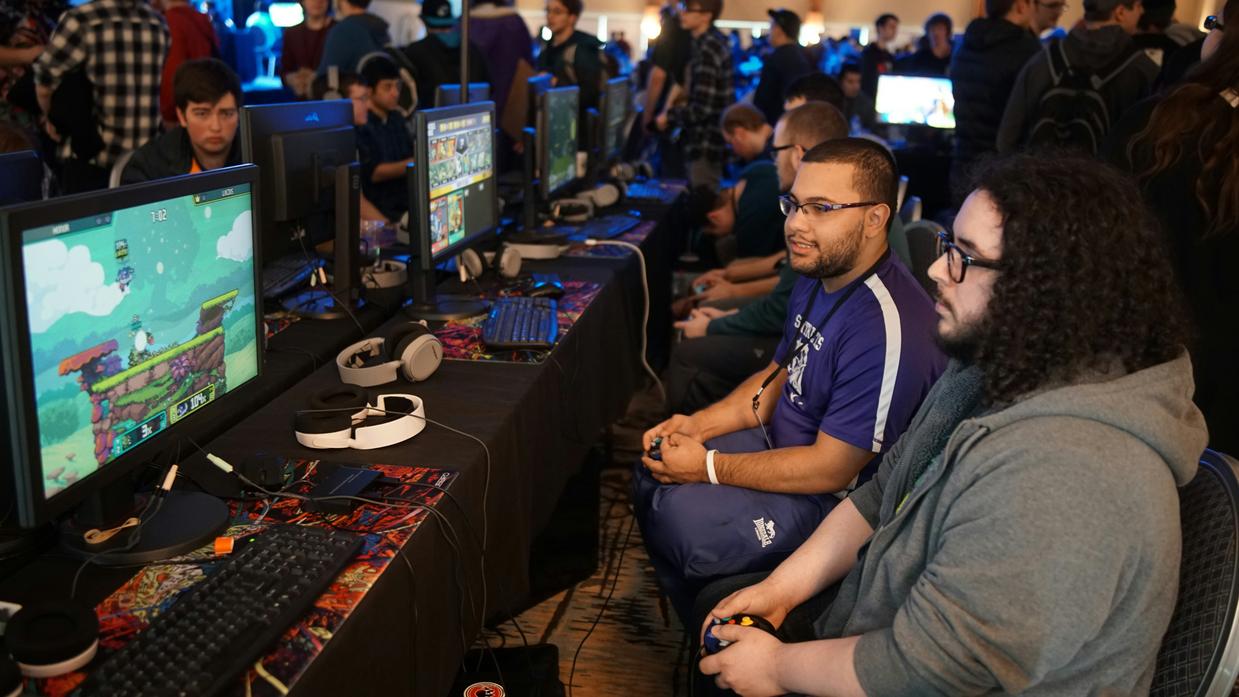
Let’s talk about cloud gaming.
I’ll be honest. When Xbox Cloud Gaming and GeForce NOW first launched, I was skeptical. The idea of streaming AAA games through my browser sounded like a recipe for input lag and frustration.
But I was wrong about some of it.
Cloud gaming has come further than I expected. You can actually play Cyberpunk 2077 on a laptop that couldn’t run Minecraft at 60fps. That’s wild when you think about it.
Here’s my take though.
It’s not ready to replace your gaming rig. Not yet. I’ve tested these services for months and the latency is still noticeable in competitive shooters. Plus the library gaps are real (good luck finding every game you want on one platform).
But for casual sessions? For trying games before you buy? It works better than it has any right to.
What really matters is where this leads us.
Cross-platform play is changing everything. I remember when PlayStation and Xbox players couldn’t squad up in the same game. Those days feel ancient now.
The gaming world dtrgsgaming has shifted toward universal ecosystems. You start a campaign on your console and pick it up on PC during lunch break. Your progress follows you. Your friends list doesn’t care what hardware they’re using.
Some purists hate this. They say it waters down the experience or creates unfair matchmaking between controller and mouse players.
I disagree.
Bigger player pools mean faster matchmaking and longer game lifespans. I’d rather play with friends on different platforms than sit in empty lobbies defending some outdated notion of platform exclusivity.
And we haven’t even touched accessibility features yet.
The options available now blow my mind. Full controller remapping. Colorblind modes that actually work. Text-to-speech for players who need it. Audio cues that replace visual information.
This isn’t charity work. It’s smart design that opens gaming to people who’ve been locked out for decades.
When I see someone asking which gaming headphones should i buy dtrgsgaming, I know they’re entering a space that’s more welcoming than ever before.
That matters more than frame rates.
The Player-Driven Experience: Community and Monetization Shifts
Remember when opening a loot box felt like gambling?
Because it was.
Players pushed back hard. And the industry listened (mostly because regulators started asking questions).
Now we’re seeing a shift. Battle passes versus loot boxes. It’s a clear comparison.
With loot boxes, you paid money and hoped for something good. With battle passes, you see exactly what you’re working toward. You know the rewards upfront.
I prefer knowing what I’m getting. Most players do.
But here’s where it gets interesting.
Games aren’t just changing how they take your money. They’re changing who creates the content.
Look at Roblox or Fortnite Creative. Players build entire experiences inside these games. Some make real money doing it. The line between player and developer? It’s basically gone.
You can spend an hour learning how to play PlayStation Plus dtrgsgaming titles, then jump into a user-created world that rivals what studios put out.
The gaming world dtrgsgaming covers today looks nothing like it did five years ago.
And games themselves are becoming social hubs. You log in to hang out as much as you do to play. Virtual concerts, movie screenings, just chatting with friends in a digital space.
It’s not about the match anymore. It’s about the experience around it.
A New Era of Interactive Entertainment
I’ve shown you the key advancements in graphics, AI, and connectivity that are shaping gaming right now.
These trends are making games more immersive and intelligent. They’re also more accessible than they’ve ever been.
The gaming world dtrgsgaming keeps evolving. What you do with this knowledge matters.
Join the conversation in our community. Tell us which of these advancements excites you most. Share what you’re seeing in your own gaming experience.
The future of interactive entertainment is being written today. You’re part of that story.
 Founder & Chief Executive Officer (CEO)
HitboxVikram is the founder and CEO of Dtrgsgaming.com, a platform built from his passion for gaming culture and digital storytelling. He created the site to connect esports, casual gaming, and industry innovation into one unified hub. With a strong background in digital media strategy, he leads the overall vision and direction of the company. His work focuses on expanding gaming insights and building a globally relevant content platform. He manages partnerships, brand development, and long-term growth strategies. Dimi’s leadership style combines creativity with structured execution, ensuring the platform evolves consistently. He continues to shape Dtrgsgaming.com into a modern hub for gaming intelligence and trends.
Founder & Chief Executive Officer (CEO)
HitboxVikram is the founder and CEO of Dtrgsgaming.com, a platform built from his passion for gaming culture and digital storytelling. He created the site to connect esports, casual gaming, and industry innovation into one unified hub. With a strong background in digital media strategy, he leads the overall vision and direction of the company. His work focuses on expanding gaming insights and building a globally relevant content platform. He manages partnerships, brand development, and long-term growth strategies. Dimi’s leadership style combines creativity with structured execution, ensuring the platform evolves consistently. He continues to shape Dtrgsgaming.com into a modern hub for gaming intelligence and trends.