

Gaming has shifted from a simple pastime to a global phenomenon. You might be asking yourself how did competitive leagues explode onto the scene like this?
It’s tough to see the entire picture of esports leagues growth without a solid understanding of the trends driving this change.
I’ve spent years diving deep into gaming, watching it evolve from grassroots to professional levels.
Believe me, I know the ins and outs of this space.
This article breaks down what’s behind the rapid rise of competitive gaming leagues. I’ll explain the key drivers, the challenges the industry faces, and what the future might hold.
You deserve takeaways that separate the hype from the reality.
I’ll keep it straightforward and informative.
You’ll walk away with a clearer perspective on how these leagues grew so fast.
Let’s unpack this together and see what makes this industry tick.
What Makes a Gaming League Competitive Today?
So, what’s a competitive gaming league anyway? It’s all about structure. These are organizations that host regular competitions for pro or semi-pro players.
They’ve got organized seasons, consistent rules, player contracts, and prize pools. Plus, they broadcast everything. That’s stability.
Now, let’s compare this to informal tournaments. Those might be fun, but they don’t offer the same career pathways. A league gives players a shot at a real profession.
It’s a career, not just a weekend gig.
It’s not just about more leagues popping up. It’s about integrating gaming into mainstream entertainment and sports. Think about how much airtime esports gets now.
You’ve got different league structures too. Some are franchised (think basketball teams), while others use open circuits or regional qualifiers. Each format has its own flavor, but they all contribute to esports leagues growth in a big way.
It’s almost like watching a football game. Almost. Isn’t that wild?
Gaming is everywhere, and it’s only getting bigger.
The Power-Ups: What’s Fueling Esports League Expansion?
Esports leagues are exploding right now. Why? Let’s talk tech.
Improved internet infrastructure is a game-changer. You can stream high-quality matches without buffering (a miracle, really). High-performance gaming hardware means players can push their skills to the limit with the best equipment.
And then there’s the streaming platforms like Twitch and YouTube Gaming. They’re the lifeblood of esports, bringing games to millions worldwide.
But it’s not just tech. The big bucks are rolling in. Major brands, both endemic and non-endemic, are investing heavily in esports sponsorships gaming.
It’s not just about slapping a logo on a jersey anymore. These brands are pouring money into advertising and team ownership, and they’re shaping the esports space. This kind of investment isn’t just a flash in the pan; it’s fueling long-term esports leagues growth.
Games are more accessible too. Free-to-play models and mobile gaming have opened doors. Cross-platform play?
Now anyone can join in, regardless of their gear. This inclusivity is broadening the player base and potential talent pool. More players mean more competition, and that’s good for everyone.
The audience is growing too. Engaging content, passionate fan bases, and social media make it easy for fans to connect and share. It’s a global phenomenon, and it’s only getting bigger.
And let’s not forget the professionalization of esports. Player associations, coaching staff, analytics teams, and dedicated venues are legitimizing competitive gaming as a career. It’s not just a hobby anymore.
It’s a career path, and a serious one at that.
Beyond the Controller: The Business Behind League Growth
When it comes to esports leagues growth, there’s more to it than just playing games. The money game is real. Media rights and broadcast deals are pumping cash into the scene.
Then you’ve got ticketing for live events and merchandise sales. Who knew a T-shirt could be so lucrative? In-game content sales are another beast entirely, keeping players hooked and spending.
Game publishers? They’re the puppet masters. They invest in league creation, prize pools, and space development.
Why? To extend game longevity and keep you glued to the screen.
Franchising models are shaking things up too. They attract traditional sports owners and venture capitalists. That’s financial security for teams right there.
And don’t forget the space of support. Event organizers, talent agencies, data analytics firms, and marketing companies all play a part in this expansion. It’s a self-sustaining cycle, feeding the beast of competitive gaming.
For more about where this is headed, check out the future of esports: key trends. You might be surprised at how big this is going to get.
Expanding Horizons: The Esports League Frontier
Esports is exploding, and there’s a lot to talk about when it comes to esports leagues growth. First, let’s address player burnout. It’s a real problem.
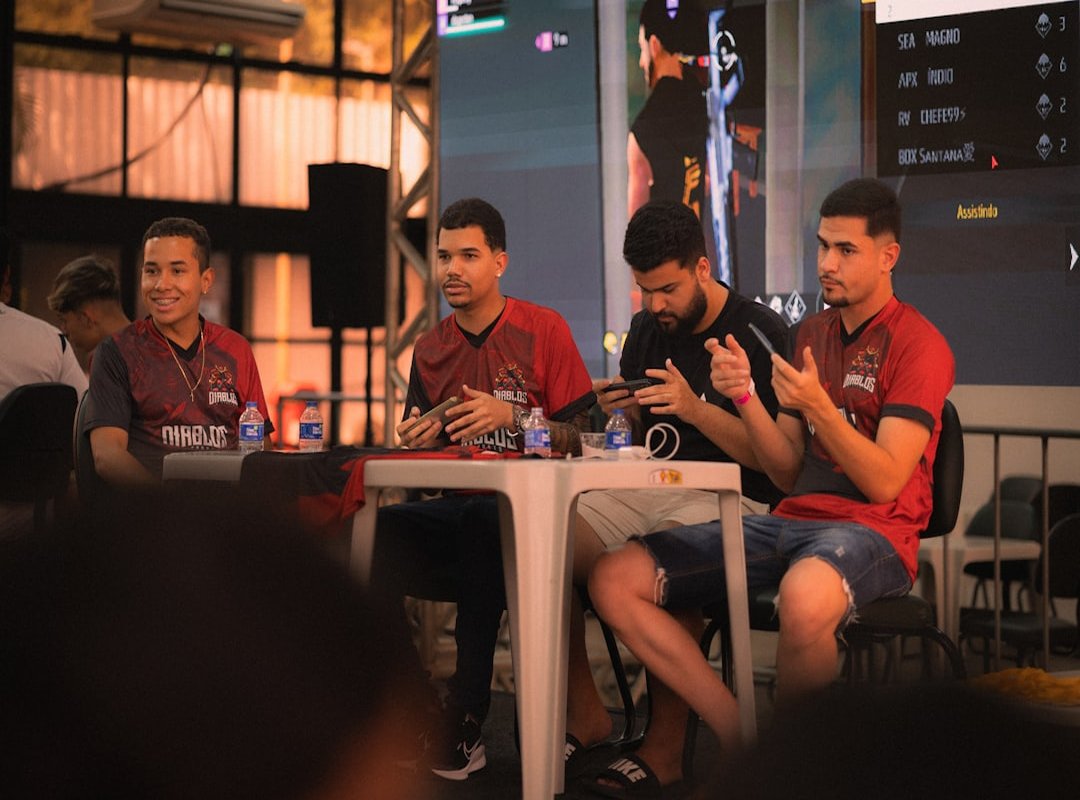
Grinding all day isn’t sustainable (we’ve all hit that wall). So why isn’t player mental health at the forefront of league discussions? It should be.
And let’s not forget about competitive integrity. Cheating and doping scandals can ruin the vibe. Fans smell a rat from a mile away.
But here’s the kicker: market saturation. Too many games, leagues, and players. How do you keep people engaged?
It’s a challenge. Yet, new markets like Southeast Asia and Latin America offer fresh audiences and opportunities. These regions are hungry for esports.
Now, imagine crossing esports with traditional sports. It’s happening. Investments are aligning.
Think shared media infrastructure and… NBA players sponsoring teams. Crazy, right?
Lastly, let’s diversify. Not just in teams but also in game genres. Fighting games, digital card games… expanding beyond the usual FPS and MOBAs.
Want to know more about the life esports athlete? We’ve got you covered.
Leveling Up: The Future of Competitive Gaming Leagues
I’ve been watching the rise of esports for years, and let me tell you, the esports leagues growth is nothing short of a revolution. We’re not just talking about more games and bigger tournaments. It’s about a global takeover.
Imagine more localized leagues popping up everywhere, tailoring content to different cultures. It’s not just a nice-to-have. It’s important.
You think you’ve seen it all? Think again.
Virtual reality and augmented reality are the real game-changers. They could transform how we watch and play. Picture yourself at an esports event, but instead of just watching on a screen, you’re in the game.
Crazy, right? And AI isn’t just for player training. It could soon referee matches, analyze plays, and even give players a run for their money.
Mainstream media is finally catching up. We’re starting to see esports on dedicated channels, getting the same respect as traditional sports. About time, if you ask me.
But it’s not just about the games. Player welfare is becoming a big deal. Stronger unions, better health benefits, and pathways for gamers to transition into other careers.
This is what sustainability looks like.
Fans are demanding more interaction, and leagues are listening. Personalized content, interactive streaming, deeper community involvement (it’s) all happening. So what’s next?
It’s not just about growing bigger. It’s about evolving into a mature, sustainable, and integral part of global entertainment. Who would’ve thought video games could get this serious?
But here we are. And it’s just the beginning.
The Next Play in Esports
Understanding the esports leagues growth can feel overwhelming. I get it. This rapid expansion is complex, driven by technology and passionate fans.
But you’re not alone. I’ve laid out the angles for you.
Stay informed about the evolving space of competitive gaming. Engage with your favorite leagues and games. Dive deeper into the trends shaping the future.
Your knowledge is power.
Don’t wait. Get involved in the conversation and explore more takeaways. This is your chance to be part of something huge.
Take action now and stay ahead of the game.
 Founder & Chief Executive Officer (CEO)
Dimi Speroellis is the founder and CEO of Dtrgsgaming.com, a platform built from his passion for gaming culture and digital storytelling. He created the site to connect esports, casual gaming, and industry innovation into one unified hub. With a strong background in digital media strategy, he leads the overall vision and direction of the company. His work focuses on expanding gaming insights and building a globally relevant content platform. He manages partnerships, brand development, and long-term growth strategies. Dimi’s leadership style combines creativity with structured execution, ensuring the platform evolves consistently. He continues to shape Dtrgsgaming.com into a modern hub for gaming intelligence and trends.
Founder & Chief Executive Officer (CEO)
Dimi Speroellis is the founder and CEO of Dtrgsgaming.com, a platform built from his passion for gaming culture and digital storytelling. He created the site to connect esports, casual gaming, and industry innovation into one unified hub. With a strong background in digital media strategy, he leads the overall vision and direction of the company. His work focuses on expanding gaming insights and building a globally relevant content platform. He manages partnerships, brand development, and long-term growth strategies. Dimi’s leadership style combines creativity with structured execution, ensuring the platform evolves consistently. He continues to shape Dtrgsgaming.com into a modern hub for gaming intelligence and trends.