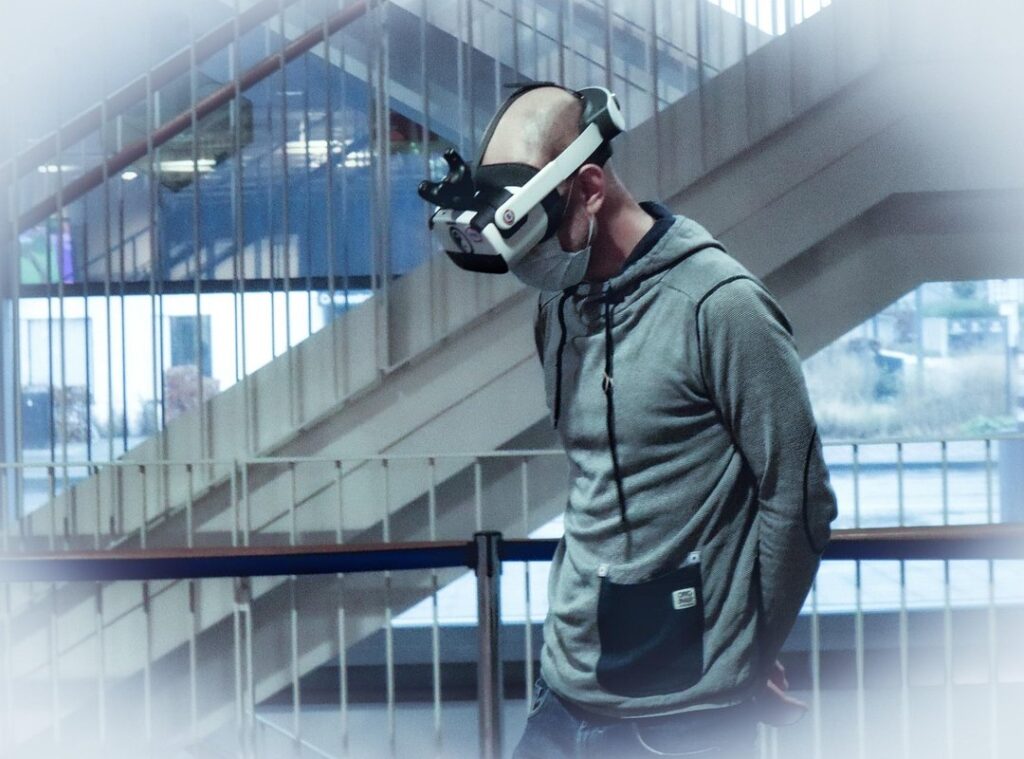
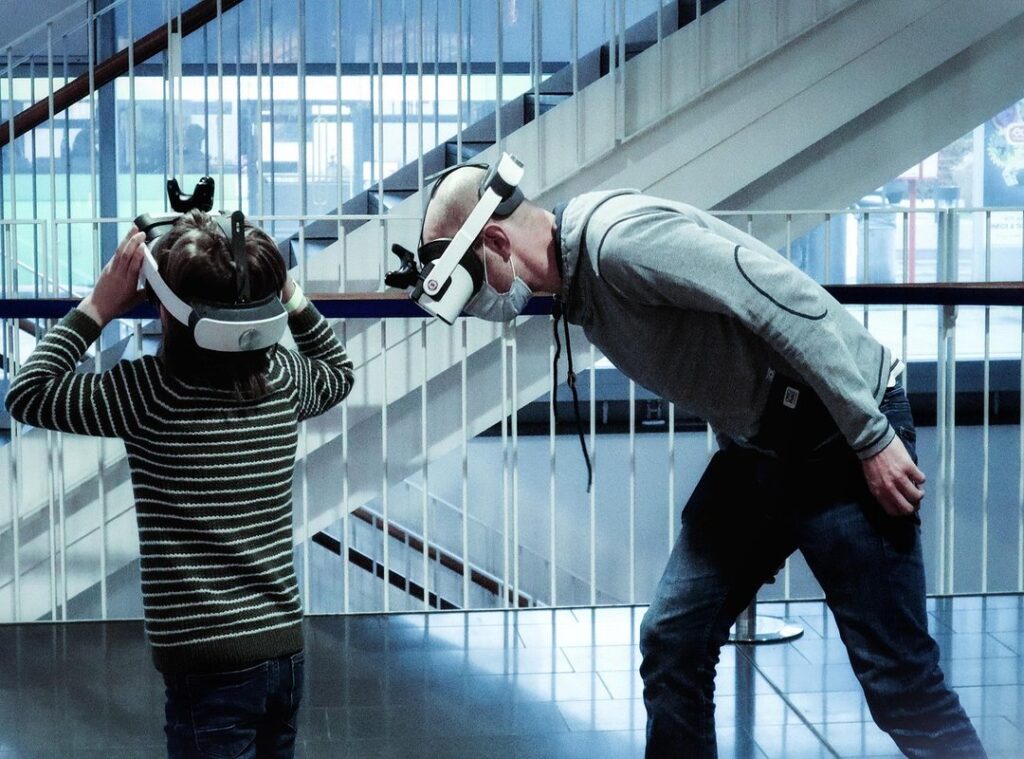
Many gamers want deeper experiences. They crave something that pulls them in, but too often, they end up disappointed with generic titles.
That’s frustrating, right?
Immersive gaming is changing the space. It’s about more than just gameplay; it’s about being part of the story. I’ve seen how virtual reality gaming transforms a simple session into something epic.
With this rise in popularity, it’s important to understand what makes an immersive experience truly captivating.
In this article, I’m diving into that very topic. You’ll discover how immersive gaming enhances your overall experience and keeps you engaged.
This isn’t just a casual overview. I’ll provide takeaways that matter, drawing from current trends and expert opinions.
By the end, you’ll feel equipped to choose games that deliver the engagement you deserve. Let’s explore what makes immersive gaming worth your time and investment.
Understanding Immersive Gaming: What Makes It So Engaging?
Immersive gaming is a beast of its own. Unlike traditional gaming, which often feels like you’re just pressing buttons, immersive gaming pulls you into another world. You’re not just playing a game; you’re living it.
The difference? It’s in the details.
First, let’s talk about narrative depth. A gripping story can make or break a game. You know when a plot twist makes you gasp out loud?
That’s the magic of a well-crafted narrative. Games like “The Witcher 3” or “Red Dead Redemption 2” are prime examples. They keep you glued to the screen, hungry for more.
Realistic graphics also play a huge role. In virtual reality gaming, graphics aren’t just eye candy. They’re your portal to another universe.
Imagine walking through a dense forest and feeling like you can touch the trees. It’s that level of realism that keeps players coming back.
Interactive gameplay is the final piece of the puzzle. Being able to make choices that alter the game’s outcome? It’s like having the power to write your own story.
Think “Mass Effect” or “Fable.” Your decisions matter, and that’s thrilling.
But how do we measure immersion? It’s not easy. Some say it’s the hours spent playing without noticing.
Others argue it’s the emotional connection you build. Whatever it is, the goal is the same: to lose yourself in a game. Isn’t that what we all want?
So, what makes a game truly engaging? It’s the blend of narrative, visuals, and interaction. Simple, right?
Yet, getting it right is anything but simple. But when a game nails these elements, it’s unforgettable.
The Tech That Powers Immersive Gaming
Ever wondered what makes virtual reality gaming such a mind-blowing experience? It’s all about the tech. We’ve got VR, AR, and graphics engines working overtime to create worlds that pull you in.
It’s not just a screen; it’s an experience. The visuals are one thing, but sound design and haptics take it to another level. Imagine feeling every explosion or hearing a whisper behind you.
That’s immersion.
Sound design is like the unsung hero here. It can set the mood, build tension, or even guide you through the game. Haptics, on the other hand, make sure you feel the game.
Controllers buzz, your seat shakes, and suddenly you’re not just playing. You’re there. It’s wild how far we’ve come.
Looking to the future, I can’t help but get excited about what’s next. With tech advancing so rapidly, who knows what the next big thing will be? More realistic graphics?
Smarter AI? The possibilities are endless. What does this mean for upcoming releases?
More immersive worlds, of course. And maybe a few surprises we haven’t even dreamed of yet.
Need a pro tip? Keep an eye on sustainable gaming practices. As tech evolves, so should our approach to gaming’s impact on the planet.
In the end, technology doesn’t just boost your gaming experience (it) transforms it. So, next time you dive into a game, remember all the tech that makes it possible. It’s not just pixels and code.
It’s a whole new world waiting to be explored.
Storytelling in Gaming: The Immersion Factor
Storytelling in games isn’t just a nice-to-have; it’s important for immersion. Without a strong narrative, virtual reality gaming feels flat. Ever wonder why some games keep you glued to the screen while others fall flat?
It’s the story, folks.
Take “The Last of Us,” for instance. The character development is stellar. You care about Joel and Ellie like they’re your own family.
Plot twists keep players on their toes, and emotional engagement makes every decision feel monumental. In this game, you’re not just playing; you’re living that world.
Why do stories matter in gaming? Because they bridge the gap between virtual and real. You’re not just controlling a character; you’re becoming one.
This is what makes you invested, keeps you coming back. Gamers crave these experiences (whether they admit it or not).
Titles like “Red Dead Redemption 2” also demonstrate this beautifully. Its story is so rich you forget you’re in a game. Every choice you make affects the character but how you feel about their world.
So, the next time you fire up your console, think about the story. It’s not just background noise. It’s the heart and soul of the game.
Dive Deep: Immersive Gaming Strategies
Feeling lost in the vast sea of gaming options? Trust me, choosing the right game is like finding that perfect movie on a Friday night. You want to be sucked in immediately, right?

Start with virtual reality gaming. It’s not just a buzzword (it’s) the doorway to another world. But before you dive in, improve your setup.
Ever tried gaming with a laggy screen? Nightmare. Invest in good hardware.
A solid GPU and a quality monitor are worth their weight in gold.
But hardware isn’t everything. Your environment matters too. Dim lights, a comfy chair, and noise-canceling headphones make a world of difference.
Now, game genres. Choose ones that are known for their depth. RPGs and simulation games usually do the trick.
And hey, if you want more on VR, check out this resource. It’s a game-changer.
FAQ: Can you boost immersion without VR? Absolutely. Focus on storytelling and graphics.
They draw you in. And if you’re into multiplayer, collaboration can boost immersion too. Remember, the goal is to lose track of time.
That’s when you know you’re truly immersed.
Immersive Gaming: Good or Bad for You?
Is virtual reality gaming the stress reliever we all need? I think it can be, but let’s not ignore the elephant in the room. It boosts cognitive skills (hello, problem-solving) and offers a deep dive into extraordinary worlds.
But, it can also swallow your time whole if you’re not careful.
Addiction is real. We’ve all seen it. Yet, the benefits are clear if we play wisely.
Balancing gaming with reality is key, and setting limits comes in. Ask yourself: is this enhancing my life or taking over?
Games with AI-driven narratives offer rich experiences without the burnout. It’s all about finding that sweet spot. And let’s be honest, we need a break from the chaos sometimes.
So, yes, immersive gaming can be good for you if you manage it. Just remember to step outside occasionally! Balance is everything.
Level Up Your Gaming Experience
Immersive gaming can change everything for you. Understanding its power makes all the difference.
When you dive into virtual reality gaming, you step into a new world. The blend of technology and storytelling pulls you in and keeps you there.
Don’t just read about it. Explore new games and apply what you’ve learned.
Stay connected with the gaming community for ongoing tips and updates. You won’t want to miss out on what’s next.
So what are you waiting for? Jump in and take your gaming experience to the next level! Your adventure awaits.
 Content & Esports Insights Lead
Fynovox Wren is the Content and Esports Insights Lead at Dtrgsgaming.com, responsible for analyzing competitive gaming trends and producing structured esports content. They specialize in breaking down player performance, tournament outcomes, and evolving game metas into clear and accessible insights. Their work focuses on tracking global esports developments and identifying emerging competitive patterns. Fynovox bridges analytical research with community-focused content to keep the platform both informative and engaging. They also contribute to strategic gaming guides and tutorial-based content systems. Their expertise helps translate complex esports data into understandable and valuable insights for readers. Through their work, they strengthen the platform’s authority in esports journalism and analysis.
Content & Esports Insights Lead
Fynovox Wren is the Content and Esports Insights Lead at Dtrgsgaming.com, responsible for analyzing competitive gaming trends and producing structured esports content. They specialize in breaking down player performance, tournament outcomes, and evolving game metas into clear and accessible insights. Their work focuses on tracking global esports developments and identifying emerging competitive patterns. Fynovox bridges analytical research with community-focused content to keep the platform both informative and engaging. They also contribute to strategic gaming guides and tutorial-based content systems. Their expertise helps translate complex esports data into understandable and valuable insights for readers. Through their work, they strengthen the platform’s authority in esports journalism and analysis.